

As I woke up in a quaint hotel in the Piedmont region of Italy in June 2025, I opened the curtains and looked directly onto a round stone building a few steps in front of me — the place where I would spend the next week. I was pleased I had snagged a room with such a short commute. The village of Bra in Piedmont is home to the Università degli Studi di Scienze Gastronomiche (UNISG), founded in 2004 by Carlo Petrini, who is also the founder of Slow Food — a global grassroots campaign focused on promoting local food traditions; protecting biodiversity; and ensuring good, clean, and fair food for everyone.
In the UNISG Food Lab, I, alongside 20 other students from all over the world, had the chance to learn how to approach cooking in a way that balances pleasure, sustainability and health in a four-day summer school. This is where I was first introduced to the possibility of using edible wild plants as a source of nutrition.

Bitter is better — how taste indicates nutritional value
Gabriella Morini, professor of taste and food science at UNISG and one of our teachers for this summer school, is well known by her colleagues and students for her pithy phrases about nutrition and health. “Bitter is better” was one of those, and quickly became one of our mantras. It refers to how taste can indicate the nutritional value of a plant.
But bitter is an ambiguous taste. It can either signal very healthy or, contrastingly, poisonous food. In fact, children’s rejection of bitter foods peaks in the second year of life, just as they become mobile and independent enough to put things in their own mouths — including potentially dangerous plants. As we grow, we “learn to like” some bitter foods like coffee — we learn they are safe. Today, we also know that they are healthy.
Science has now shown that bitter really is better. Taste receptors, previously thought to be only on the tongue, have been found throughout the gut. While the main function of taste receptors on the tongue is to communicate to the brain information about food composition, these same receptors in the gut play a different role. In the case of bitter receptors, this includes controlling the release of beneficial hormones for your metabolism; and slowing down gastric emptying, making you feel fuller for longer. Researchers have also found that activating bitter receptors can have other health-promoting effects, like stimulating the immune system.
This is something elders across different cultures knew well. In the book “Vieux Remèdes des Alpes”, French ethnobotanist Juliette Brabant-Hamonic and her co-authors document a medicinal soup of wild and cultivated plants. On page 3, “La soupe aux herbes” is an alliance between cultivated carrots, potatoes, leeks and spinach with wild fennel and nettle — this soup is recommended for hypertension, high cholesterol, sluggish digestion and anemia.
Nutrient density & biodiversity
Wild plants may also be more nutrient-dense than cultivated varieties. Research has shown that wild plants have higher levels of anti-oxidant activity than cultivated varieties, meaning they are better able to neutralize harmful reactive oxygen species — a cause for various illnesses.
Some wild plants are known to be real nutrient powerhouses, like stinging nettle, a common weed and wild plant found throughout Europe. Cooked nettles can supply almost 100% of our daily needs in vitamin A per 100g, as well as being high in micro-nutrients like iron.
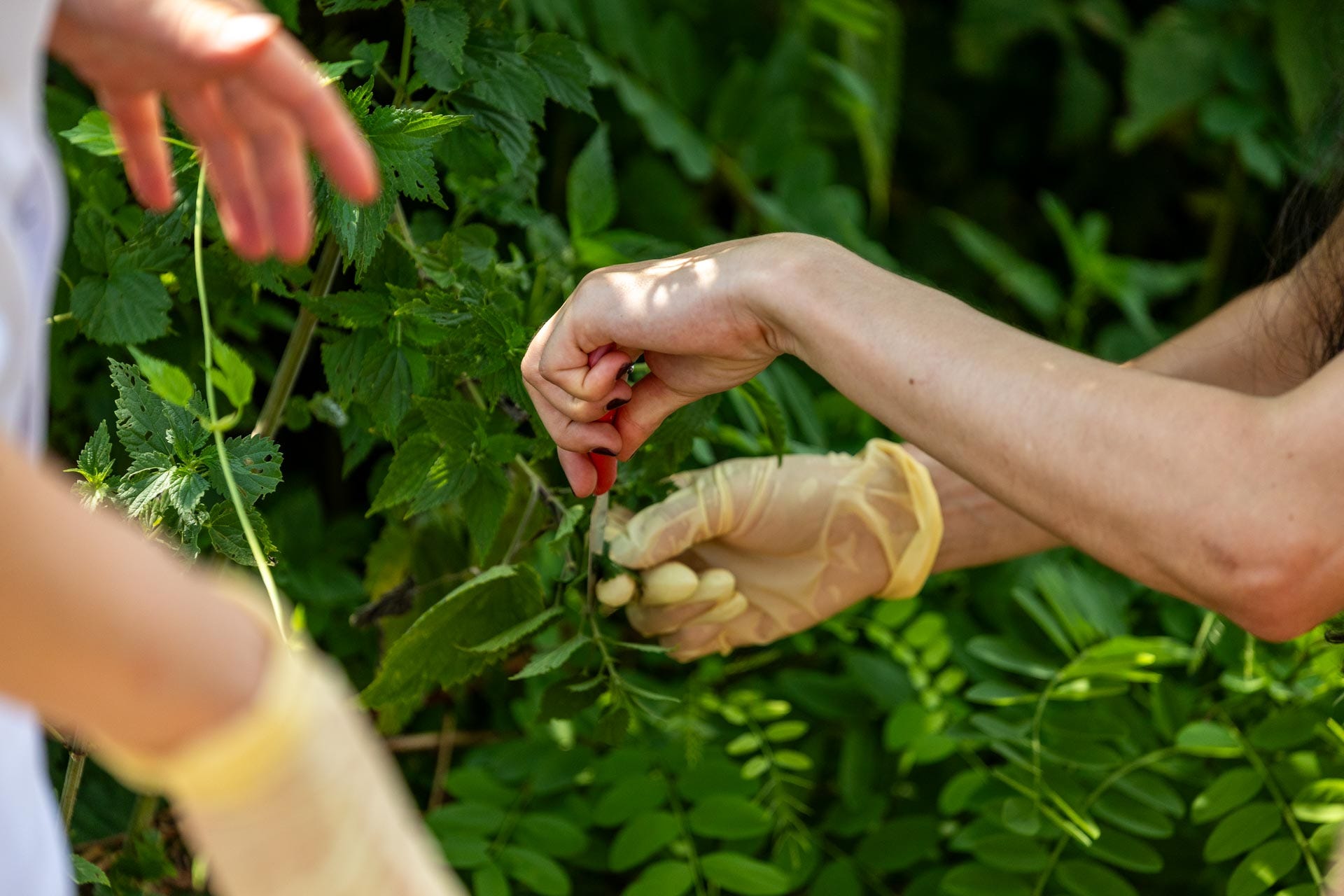
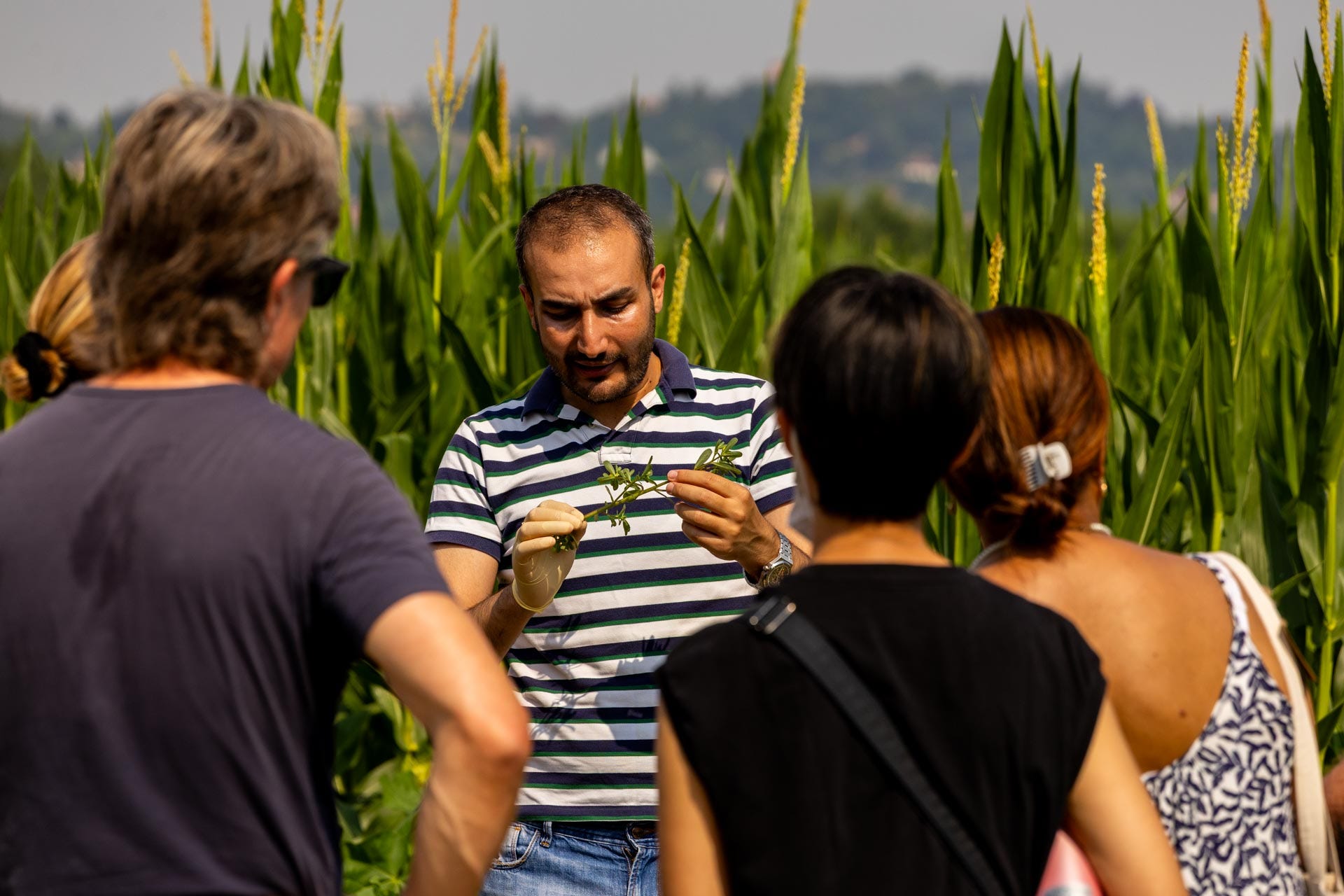
Back to class, and it’s time to put our knowledge to the test. Naji Sulaiman, professor of environmental and applied botany at UNISG, takes us on a short walk out to open fields cut through by a small stream on the edge of a forest. As we walk, he looks around and points: purslane, nettle, poppy, and others, all edible, free and abundant, and only a five-minute walk from our little classroom.
While we gathered a variety of different greens for our lunch’s first course, it occured to me that I’ve never composed such a salad at home — where I usually just buy one head of salad as the leafy base for whatever else I feel like throwing in there. The biodiversity on our plate is astounding, and this is another reason why wild foods are so healthy.
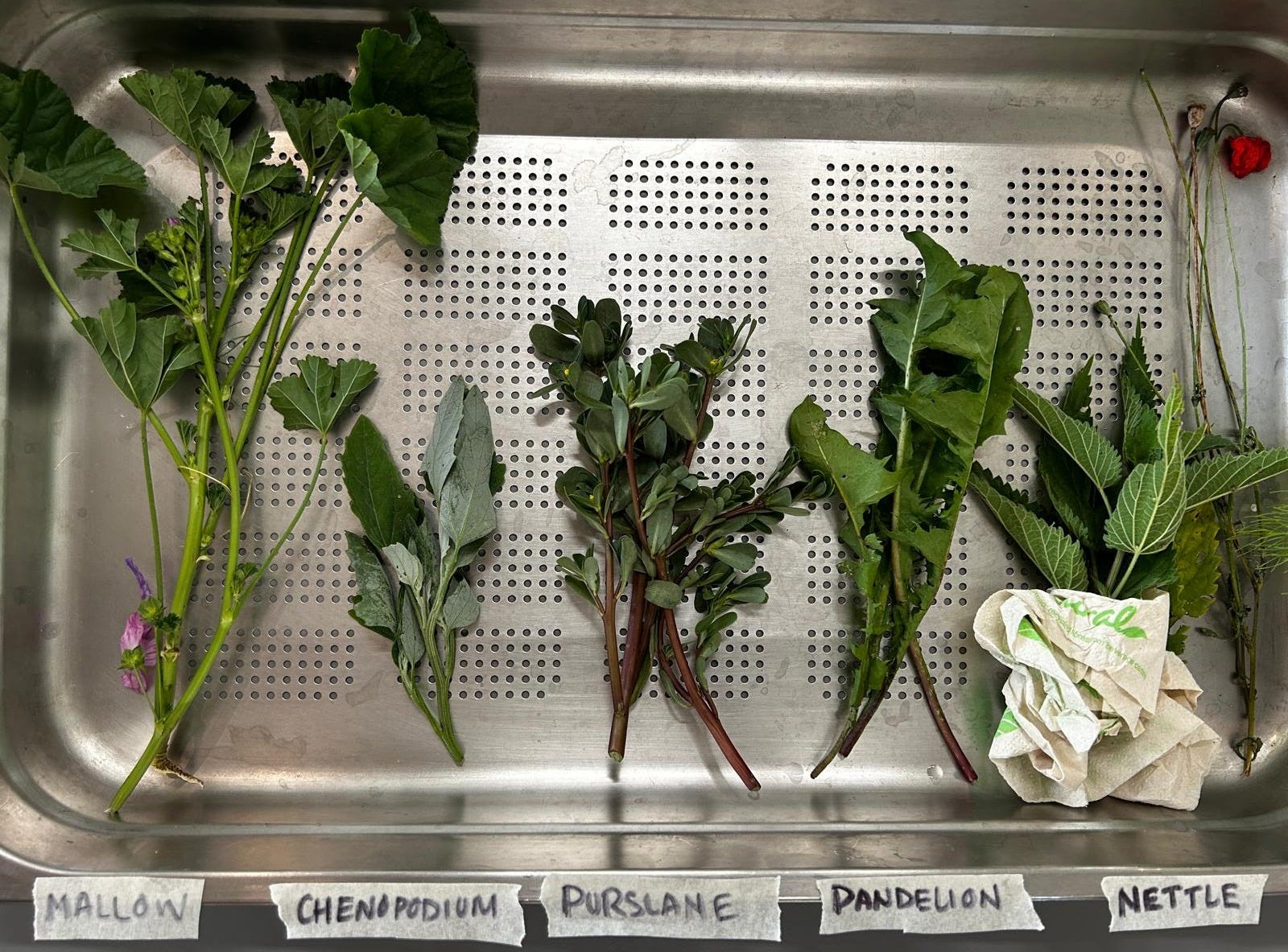
In a landmark study in 2018, researchers identified that consuming around 30 plant species per week can significantly boost the diversity of bacteria living in our gut, which is a marker for health. Another 2018 study found that the more biodiverse our diet is, the lower our all cause risk of death. In a 2009 paper, Marzi and colleagues identified a recipe for a soup which is part of the regular diet of southern Italians containing around 40 different plant species from both cultivated and wild origins — showing both the possibility of creating such a dish and that the tradition is still very much alive in some parts of Europe.
For the curious souls who want to give foraging a try, an abundant and nicely bitter wild plant is dandelion greens — take an experienced forager if it’s your first time, aim to look for them in spring and wash the leaves in water and white vinegar to clean them.
Nettles are likely also abundant in the wild areas around you. A trick I learned from Tania Shellenberg — a Zurich-based urban forager — is to dry them for a couple of days before turning them into a rough powder to sprinkle over salads, stir frys or omelettes. Eco-chef Tom Hunt unites both of these nutritional powerhouses in his “Nettle and dandelion soup” on page 105 of his cookbook “Eating for pleasure, people and planet.”
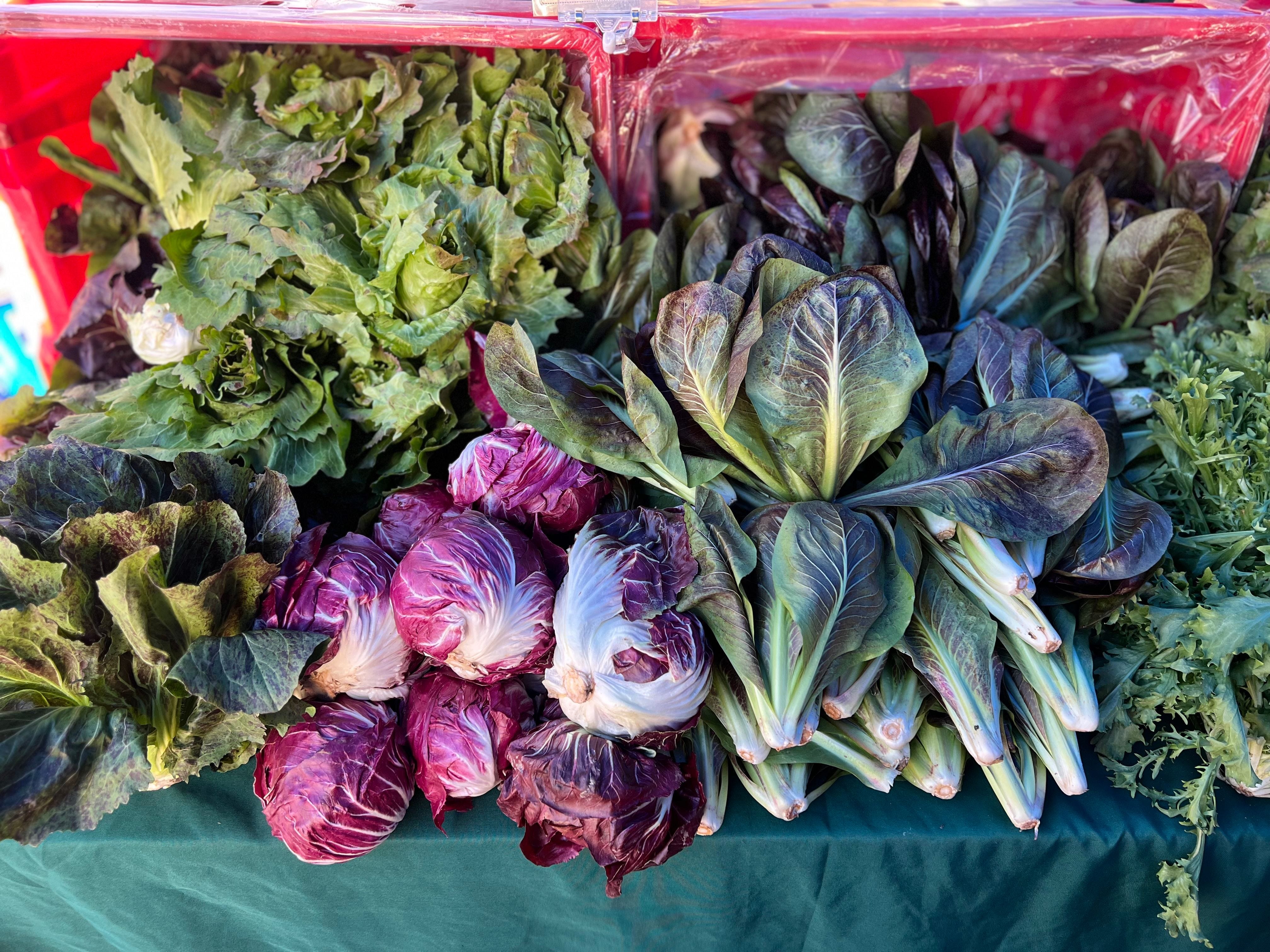
Beyond foraging, training yourself to “learn to like” more bitter tasting vegetables, like radicchio, is a great place to start getting the metabolic benefits of bitterness. Depending on how much aversion you might have to this taste, start with a relatively small amount of radicchio, rocket, or other bitter plant and build it up over time — adding citrus can cut through the intensity of bitterness.
This essay was kindly edited by Lorina Varga.