
Tania Schellenberg — Zurich-based urban forager and permaculture gardener — embodies the generosity I have come to know of the foraging community. This past July, I was invited into her home to briefly escape the fourth heatwave of the brutal 2026 European summer. There, she offered me a feast of foraged and partially-foraged snacks: a pancake made with locally picked greens, topped with nettle and mint-flavored cubed and rescued apples, as well as a pie for something sweet. “The pie is only about 1/3rd foraged ingredients,” she apologizes. That seems pretty impressive to me.
Why forage?
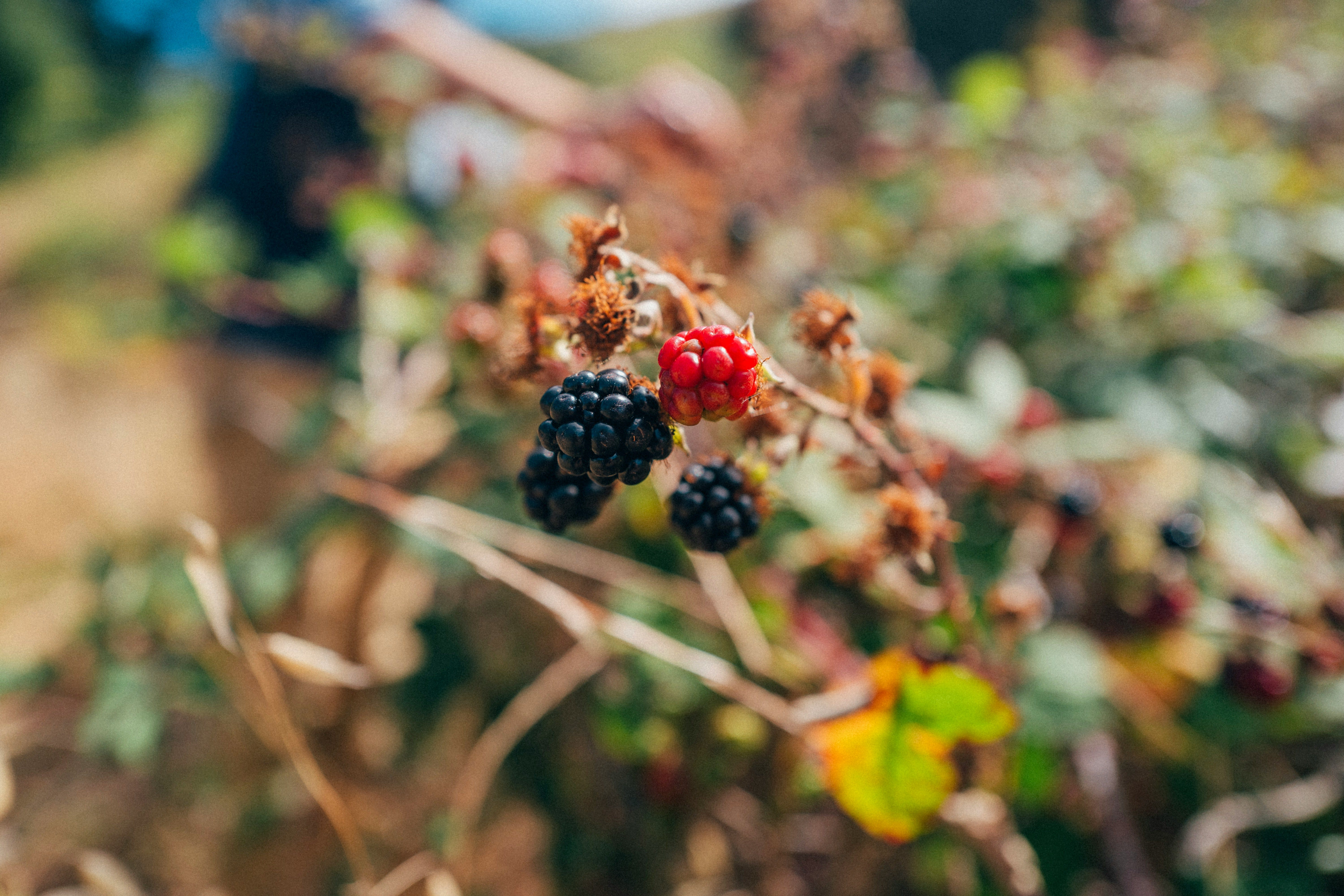
Foraging remains a cultural practice throughout Europe, even if to a lesser extent than in the past. I had the chance to spend some of my childhood growing up in the French countryside, where I remember that, at least once, my mother and I foraged blackberries not far from home to turn them into jam. In the Alps, my grandfather would wander the forests close to his home hunting for mushrooms, which my grandmother would then transform into various dishes. One in particular was my favourite — “La Croûte aux Champignons”. I would publish her recipe but when I asked, I was strictly told that it entirely depends on which mushrooms I am able to forage and that I should call her back once I have them so that she can give me accurate guidance.
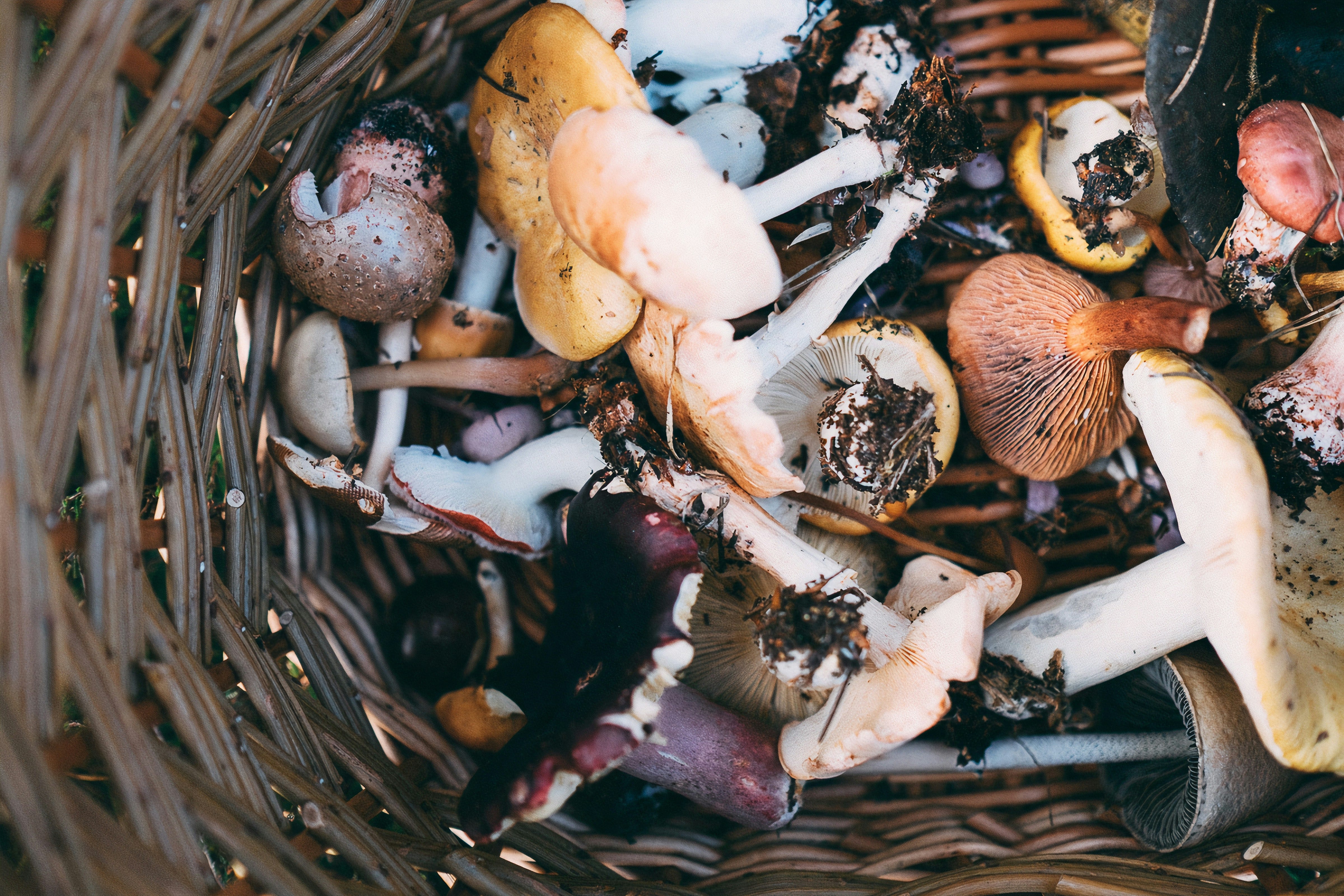
Today, foraged foods make up a rather small part of my diet and daily life, and the plants I remember learning to forage are few. This was not always the case for those of us living in Europe. Through structured interviews and free recall, researchers recorded that adult and elder foragers from Poland to the Swiss Alps remember harvesting up to 100 species per year in their communities during their childhoods. Still today, certain areas of southern Italy depend on foraging for food security, and these households have preserved their wild plant knowledge exceptionally well, compared to communities who do not rely on wild food.
Foraging in Europe today therefore sits at an awkward interval: a cultural practice still observed by many as a hobby — especially for mushrooms, forest berries and wild garlic — but the richness, depth and connection to nature that constituted the full ancestral practice of foraging for food (and medicine) is mostly no longer practiced. Unfortunately, that knowledge is slowly being lost.
Yet, there is still a desire to preserve and pass this knowledge on. In Switzerland, for example, wild foraging is recognized as a living tradition by the federal government and constitutes part of the intangible cultural heritage of the country. Many people today seek to re-connect to these ancestral and local practices, with social movements like “Les Sentiers du Savoir” organizing apprenticeships between knowledge holders and knowledge seekers across many traditional disciplines, including foraging.
A revived tradition
“COVID changed a lot of things”, Tania recalls as she explains that, like for many of us, her journey to foraging began in 2020. As we sip some kombucha made by her daughter and snack on the feast before us, she recounts how foraging brought about a major mindset shift with regards to how she interacts with her immediate environment: “This concept of abundance was new to me. There is more than enough, and we just have to find out how to collect it, and know how to use it.”
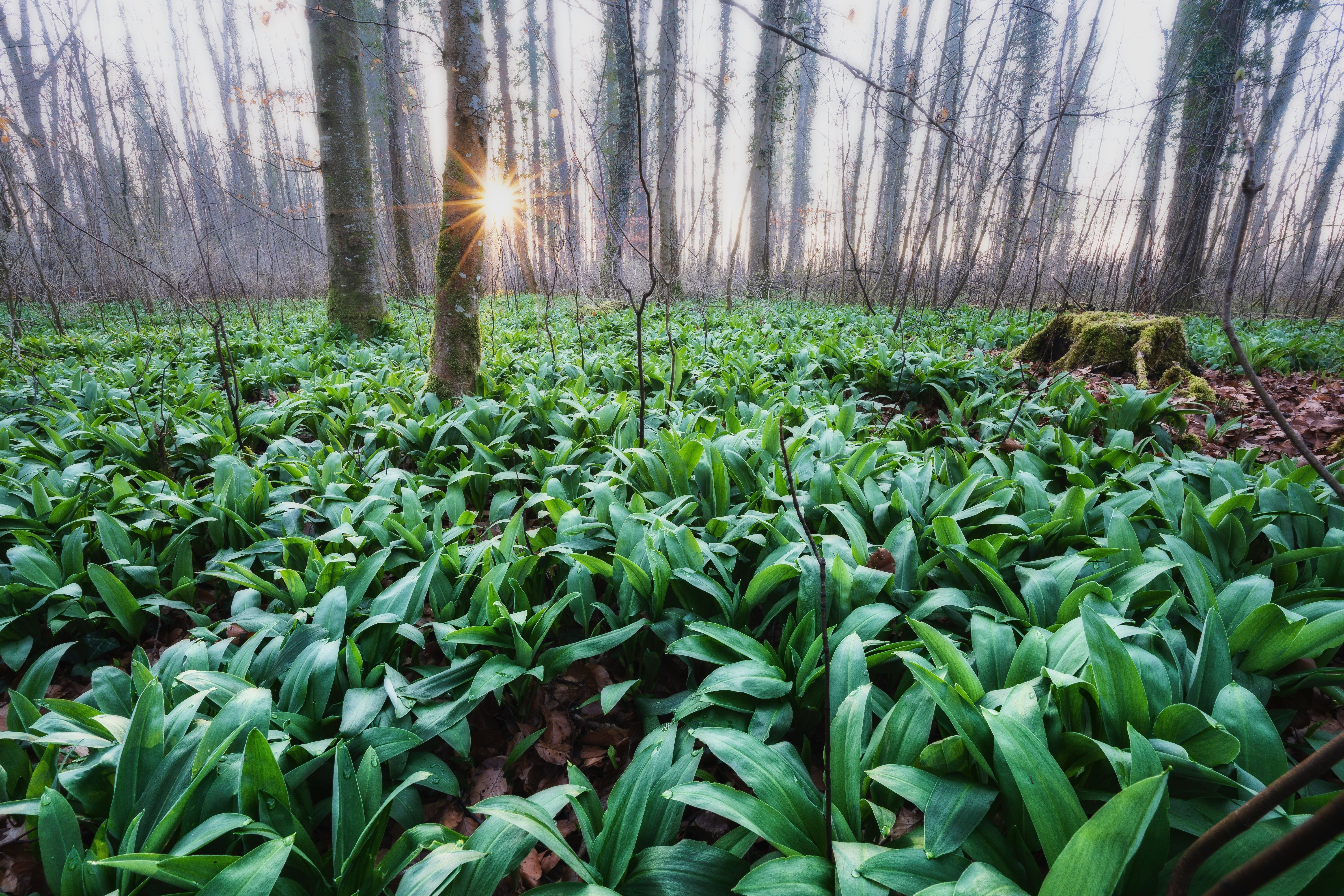
Similarly, Lisa Raimund, a herbalist living and working in the mountains in the heart of Switzerland, sees foraging as a way to get back in touch with the rhythms of nature: “It’s just so amazing to see that actually throughout the year, what grows around us — if we live somewhere that’s within nature — then we find so many things that we need for specifically that time of the year.”
For much of human history, foraging was not so much a question of fun, but one of survival. During the Second World War in France, records show that people would dry linden tree leaves, among others, and ground them into a fine powder, using it to stretch their flour rations. Still today, foraging is used as an essential way to secure food in times of war.
Foraging to feed yourself is not easy, however, implies Tania, as she states “the question is, how much of your diet do you want to start covering like that? Is it 5% or is it maybe 10%? Or if you want to go above 50%, it takes a lot of time, you have to be creative.”
Throughout July, she challenged herself to forage 500g of food, intending to cover as much of her daily needs in fruit and vegetables as possible from foraging alone, explaining that “If you want it to be a relevant part of your food, you do have to work for it. There’s no such thing as a free lunch, literally.” But foraging itself — the knowledge of good spots, good species, and the time it takes to collect everything — is only half the story. Processing everything to be able to consume it, or to keep it for another day, “can take me just as much time as the outside part,” Tania says.
There is something powerful, however, about knowing how to forage a meal from the spaces around you. Rather than feeling the need to switch your diet entirely to foraged foods, learning how to become familiar with your local spaces, and making a meal or two as an experiment “can be liberating,” says Tania.
Lisa adds that “teaching people how to forage is almost like an anarchistic act. It allows people to reclaim their power of choosing what’s on their plate and what to feed themselves with or what to heal themselves with. It’s like having a small step into independence from all the companies and industries around us.”
Knowing what is enough
One thing to bear in mind as foraging becomes trendy, though, is to do so responsibly: knowing what is enough to meet our needs and leaving behind the rest. As Mahatma Gandhi said, “Nature provides enough for everyone’s needs, but not for every person’s greed.”
“In my first years of foraging,” Tania recalls, “I would come back with three bags a week of wild garlic, like I was opening a garlic factory. Now, I’ve become a little smarter about it, and I only take as much as I need.” In the code of conduct of the Botanical Society of Britain and Ireland, experts suggest taking only 1 in 20 of any plant, thus ensuring that there is enough left for the plant to keep propagating.
Fundamentally, a societal shift might be needed: away from an extractive mindset, and towards a more regenerative, stewardship-like approach to land-relationship. There are many guiding lights here from various eco-philosophies and indigenous wisdom traditions. One example is from permaculture. “There is a principle of taking only what you need and give as much as you can”, explains Tania, “which is an inversion of our agricultural system, because we’re taught to give as little as possible and take as much as you can.”
Getting started
When getting started with foraging, less is more, according to Lisa, who often teaches beginner workshops in Schweibenalp, a permaculture garden and spiritual retreat center nestled in the Alps in the heart of Switzerland. “I would say pick one plant that you’re familiar with and you know is edible,” she continues. “An easy one could be dandelion, because you can make a lot of different things from it. And there are no poisonous plants that you could mistake it with.”
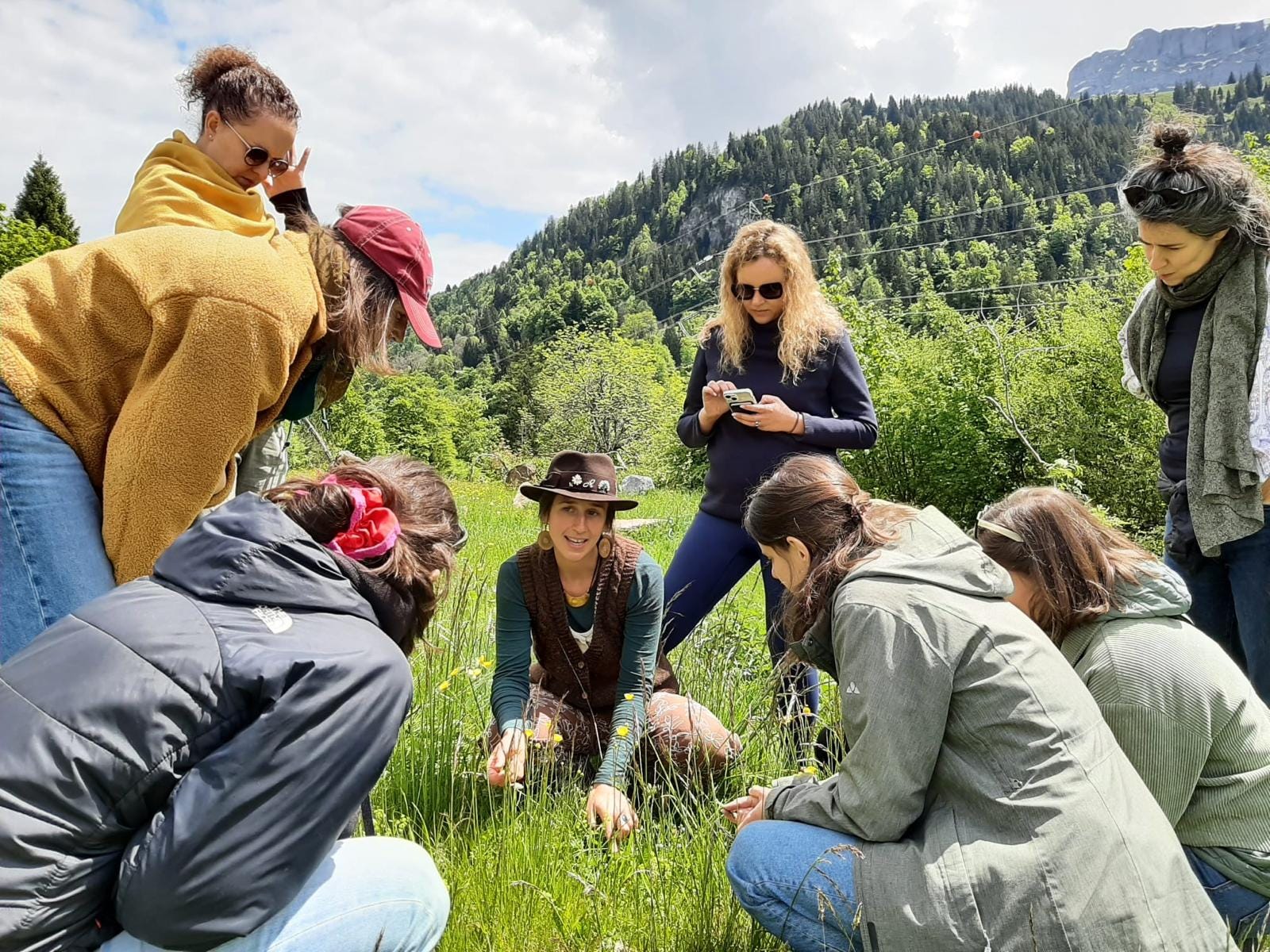
Dandelion buds can be pickled to make capers, used to decorate cakes or apéritif platters with its edible flowers; young leaves and stems can be added to salads in the spring; and even the roots can be dug up in the fall and roasted to make a coffee substitute. “Sometimes I feel like we want to know at least ten, fifteen, twenty plants in an instant, but it’s really beautiful to really get to know one by spending time and different preparations,” explains Lisa, “one plant is a whole foraging universe.”
–
Curious? Lisa is teaching a few courses up in Schweibenalp this year, on medicinal plants and smudging, and organizing a conference on wild plants in 2027. You can follow her work here.
This essay was generously edited by Lorina Varga.